III. Before You Launch
How to write blog posts that get noticed
Growing an audience and launching a product is more than just following a system. The magic glue that makes it work is your online reputation. If you want to sell something to a group of people, you need to earn their trust. How do you gain their trust? You teach them.
“If you want to be useful, you can always start now. It will be a humble prototype of your grand vision, but you’ll be in the game. Start by teaching someone this week. Starting small puts 100% of your energy into solving real problems for real people.”
- Derek Sivers,
Your blog should be a sneak peek into the value your product provides. To ensure you get maximum traction, you’ll want to follow three steps:
- Research your audience.
- Write unique content that your audience wants to read.
- Amplify your content to reach new people.
Research first
Writing good blog posts requires research.
Do research in communities where your target market hangs out. Here are some examples:
- Designers: Designer News
- Retail store owners: TalesFromRetail
- Hardcore developers: Lobsters
- Marketers: Inbound.org or GrowthHackers
While you’re there, look for opportunities where you can help. What pain points come up repeatedly? These pain points can become topics for your blog.
Write good stuff
Everyone’s writing blog posts: how can you make yours stand out? Your biggest asset is what you know about your audience. Talk about the issues they care about.
It’s not about you; it’s about them. Every post should focus on the needs of your audience.
Here are some ideas for making your blog posts stand out:
- Focus on one point per post. It’s easy to veer into a tangent when writing. Stay focused on one idea, and communicate that idea as efficiently as possible.
- Use diagrams, illustrations, cartoons. My most shared blog posts all have this element in common. Illustrations are often shared as the featured image in tweets and Facebook posts. Because of this, I’ll often have illustrations done professionally.
- Put something surprising in your post. We make fun of Buzzfeed headlines like, “This grandma ordered grilled cheese on the internet; you won’t believe what happened next!” They’re tapping into human nature. We’re all attracted to stories that shock us or have a bombshell revelation at the end. These are also the stories we’re most likely to share.
- Jump on trends and current events. Is everyone talking about it? It can be difficult to rise above the noise when discussing current trends (like reviews on the latest Apple gadget). However, if you have a unique point of view that hasn’t been covered, your message has a greater chance of being amplified.
- Make people laugh. A good sense of humor is a tremendous asset. So much of online content is banal. Being funny is a great way to get noticed.
- Share your process. People like to hear the behind-the-scenes tales of how you’re building your product. Show them some code! Talk about a technical challenge and how you overcame it.
- Teach them something new. Did you just figure out how to build a Slack integration? Teach other people to do it, too! Just recorded your first screencast? Write up a tutorial, and publish it on your blog.
Remember, growing your audience is more than just following a system. To get people’s attention, create content that is interesting, unique and trustworthy.
Amplify your content
Blog posts, videos, and podcasts are valuable marketing tools. You can use them to reach new prospects, and expand your audience.
But creating content isn’t enough. Amplification is about taking what you’ve created and distributing it through other people’s networks. There are three types of amplifiers you should focus on:
- Individual influencers: these are individuals who have built an audience in the market you’re targeting. These could be popular bloggers, podcasters, entrepreneurs, journalists, or people with a big following on Twitter.
- Online networks: these are community sites, forums, news sites, aggregators, Facebook groups, and anywhere else where people in your target market congregate.
- Your network: this is your email list and the people who follow you on social media.
Build relationships with influencers carefully! Alex Turnball, of Groovehq.com, did a great job of this when he sent me this email (from his personal Gmail address):
Hey Justin,
I know you probably get a ton of emails from startups looking for your expertise, so I’ll keep this really short. I think you might find it interesting…
I’m launching a new series on my blog this week hoping to take an honest look at the long, tough haul from idea to a successful company. Specifically, I’m tracking the ups and downs of going from zero users (where we were) to $28k in monthly revenue (where we are) to $100k/month, and beyond.
Would love to share it with you if you’re interested. Do you mind if I send you a link?
Thanks,
Alex
He sent similar emails to other influencers in his space (people like Gary Vaynerchuk, Dan Martell, and Rob Walling). He found that 83% of the people he emailed responded positively.
Why? He wasn’t forceful. Notice he doesn’t even include a link to the post in his email. He only asks if I want to see it. Also, his proposal is unique and appeals directly to the people he’s emailing. The idea of Alex sharing his revenue and growth tactics is compelling for any software entrepreneur.
The game plan
Once you have a group of influencers ready to share your content, follow this checklist:
- Give influencers, and your network, a sneak peek at your blog post and ask for feedback.
- Revise your post based on their feedback.
- Set a “launch date” for your post.
- Let the influencers and your list know when you’re going to publish and how they can help.
- Publish your post!
- Share your post on online networks (Reddit, Hacker News).
- Email influencers and ask them to share and provide traction on community sites. Now that they’ve offered their opinion, they have a vested interest in its success.
- Respond to those who engage with your content (in comments, and on social media).
- Look for opportunities to expand the discussion or cross-post to new networks.
- Thank everyone who shares it!
Having a plan will give your content a better chance of gaining traction. Instead of “publish, wait and see” you’re working proactively.
There’s this fallacy that good content always gets discovered, but the truth is that content needs distribution in to be seen.
Case study
I’ve used this approach dozens of time to drive traffic to a blog post.
A recent example is a blog post I wrote for Sprintly, called Your Developers Aren’t Slow.1
Reading that headline, you can almost predict that this blog post is going to hit a nerve.
Following the checklist above, that blog post generated over 100,000 page views that month. The article has over 6,000 shares on social media (their competitor’s best post has 1,500 shares). The post also increased organic email leads by 32% within 48 hours. Best of all, the post resulted in new sign ups for Sprintly:
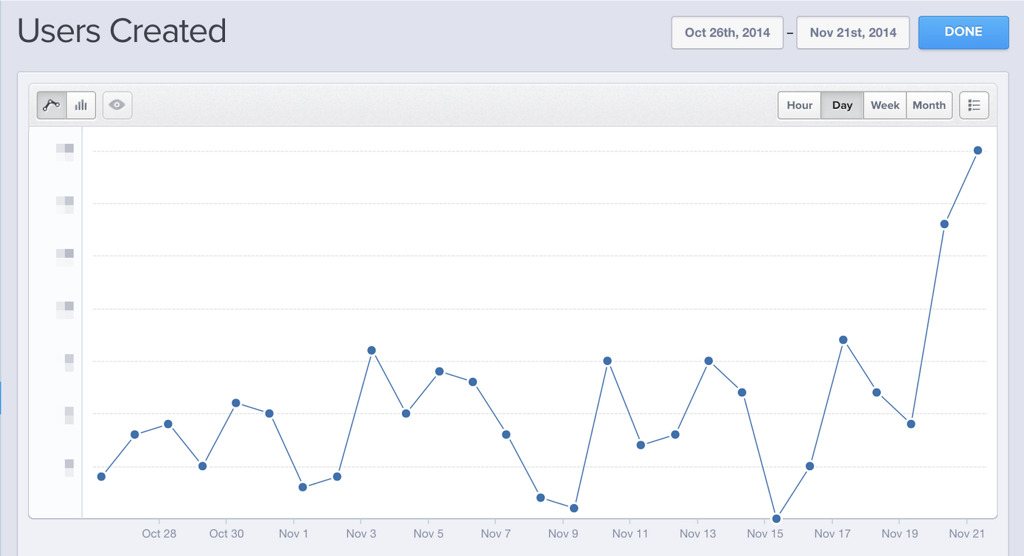
New trials increased 3x
These results show that leveraging the right channels can help your content gain significantly more traction.
Footnotes
Buy the EPUB & PDF to read offline and support the work.
Buy the book — $10