
In 1983, my family got a Commodore VIC-20. Soon after, I created my first “Hello World” program in BASIC. I’ve been making stuff with computers ever since.
From an early age, I could see how technology could empower individuals to build and sell their own products.
The first example I encountered was Apogee Software. At age 11, I mailed them $43 for a game called Commander Keen. The order form looked like this:
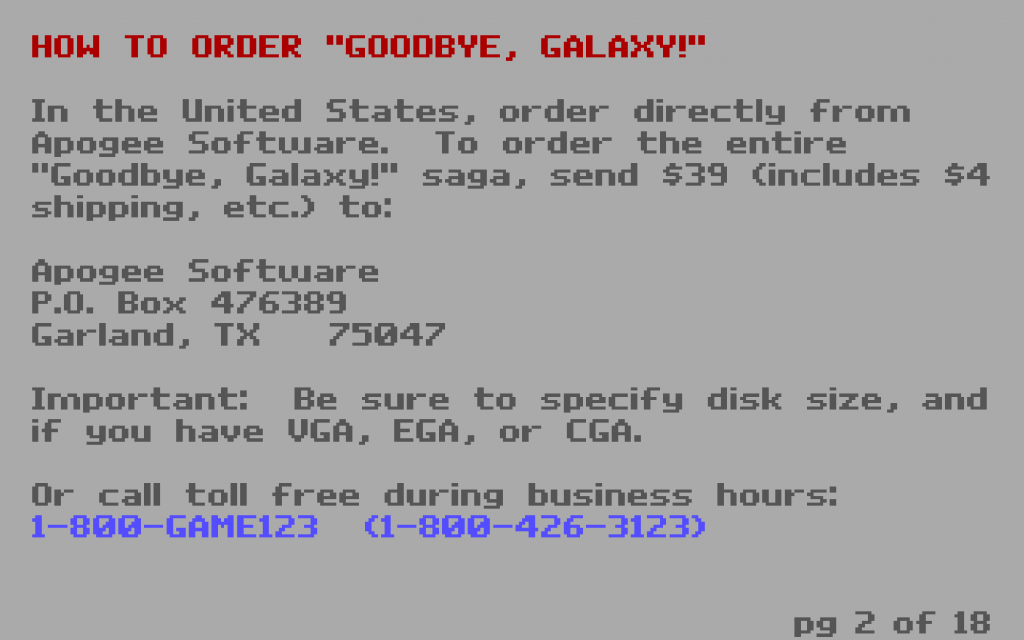
Apogee was a small group of indie developers in Texas. Using Usenet groups and bulletin boards, they distributed their games as shareware. The games were free to download, and you could play the first levels, but to unlock the whole game, you needed to pay. And kids like me did!
This is marketing. It's the ability to create something customers want and make it easy for them to find and buy it.
Before the Internet and AI, building, distributing, and selling software was difficult. In the 80s and 90s, to create software, you had to know Turbo Pascal, C, or Assembly language. Today, a proficient product person can build entire apps just by dictating instructions to Claude Code or Cursor. Distributing your software in the early days was also challenging because most software was sold through retail stores.
Today, AI has made building software more accessible than ever: LLMs are great at writing code.
But ChatGPT, Claude, Gemini, Grok, and other models won't be as helpful when it comes to:
- Helping you build a product where there is existing customer demand
- Coming up with a marketing plan that actually gets sales
Here's the problem: if you could ask an AI to find you "a great business opportunity," everyone in the world would be doing it. And they'd all be chasing the same mediocre ideas.
Ask these tools for marketing advice, and you'll get generic strategies that sound good but don't actually move the needle. LLMs are trained on the average of everything, so what they'll recommend is just that: average. But good marketing is above average: it rises above the noise and gets your product noticed.
Who should read this book?
This book is for people who want to earn an income from the products they create. I wrote it specifically for folks in these three stages:
- Those who want to build a product but haven’t found an idea.
- Those who are building a product but haven’t yet launched.
- Those who have launched and are looking for their first 100 customers.
This book isn’t just for indie product developers! Startups and teams can also apply these tactics.
My friend Patrick McKenzie (Patio11) has this great quote:
“As developers, you can create things, which is magical.”
AI will enable even more people to build and launch software products. Most of these products won't earn a dime. This book will help you cut through the noise, identify real demand, and get paying customers.
Is marketing necessary?
We’ve all heard stories about developers who built something and had it magically succeed.
One example is the story of a 29-year-old developer named Dong Nguyen. In May 2013, from his home in Vietnam, he quietly released a mobile game called Flappy Bird. It remained obscure for six months, registering only a handful of downloads.
Suddenly, on February 1, the game’s popularity exploded. Flappy Bird was discovered and downloaded by millions of people. It climbed to the top of the app charts. Nguyen was earning more than $50,000 a day in advertising royalties.
He claimed multiple times that he hadn’t paid to boost the game’s rankings. If he succeeded without marketing, why can’t we?
First, we must acknowledge that Nguyen’s success was unusual.
If you scan the Top Charts today, you'll see apps by OpenAI, xAI, Meta, and Microsoft.
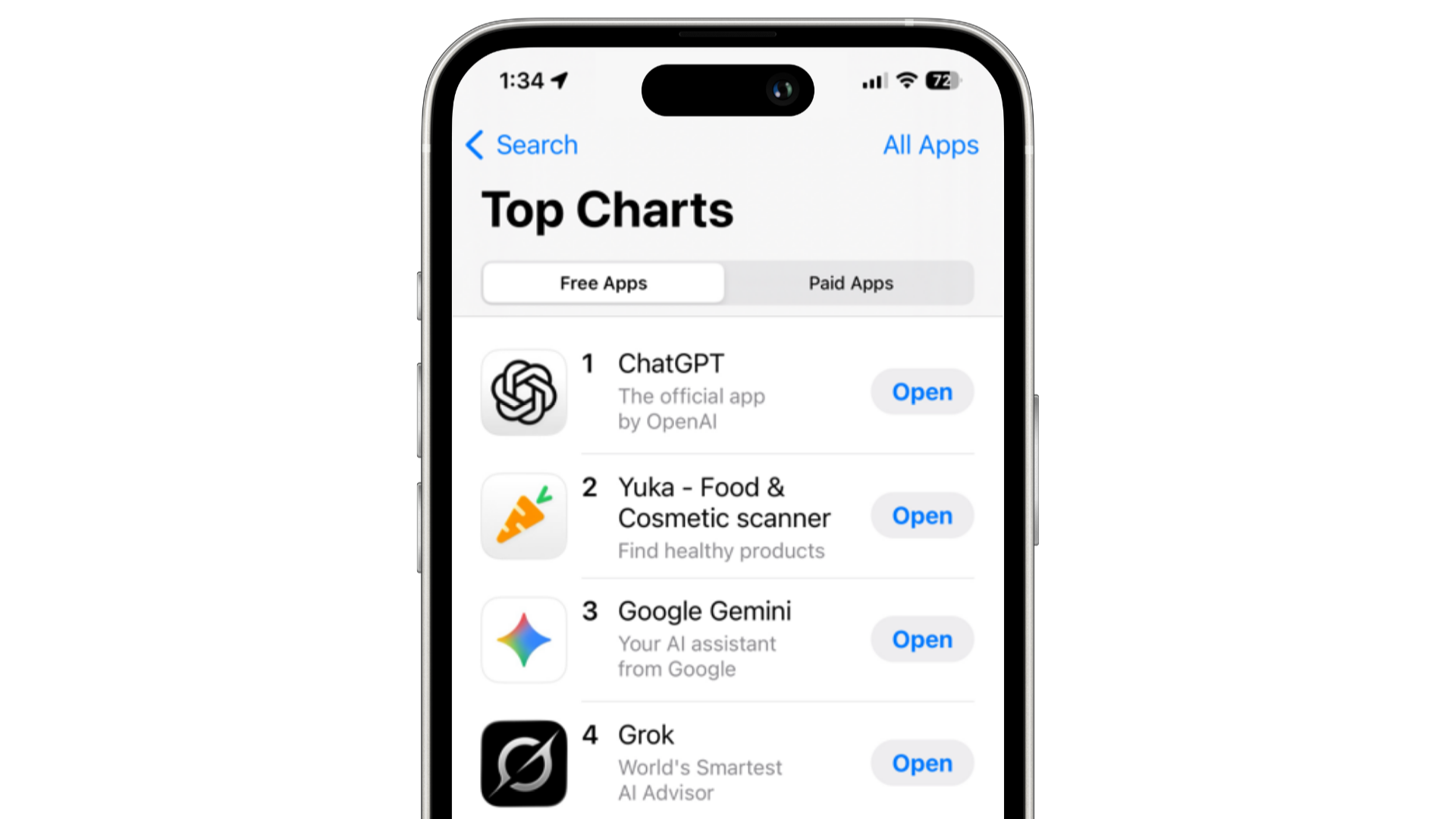
What do these apps have that you don't? Distribution. Most are incumbents who (over decades) have built their brand, distribution channels, sales relationships, and audiences.
Indie app developers face inherent weaknesses in marketing: limited budgets, time, and people. An indie app can climb the charts to number 1, but it’s not common. It’s even harder to make a profit. Gartner, the analyst firm, found that:
Less than 0.01 percent of apps will be considered a financial success by their developers.
My goal is to help you beat these odds. I want you to earn revenue from the software you create. It’s possible, but we’re not going to get there by following unicorns. Instead, we need to follow principles that are tested and replicable.
Why some products win
When it comes to a game like Flappy Bird, how many other developers submitted similar apps, but didn't achieve Dong Nguyen’s success? Likely thousands.
In fact, a French developer had published a very similar game (called PiouPiou) in 2011, before Flappy Bird was released in 2013. The gameplay, graphics, and mechanics are almost identical, yet it did not achieve Flappy Bird’s level of fame.

You can increase your odds of success
First, if you can identify what people desire (a product or an experience they're looking for), you have a significant advantage. Second, if you have marketing skills, you'll increase your product's chances of being discovered.
Let’s go back to Flappy Bird. Nguyen didn't do much traditional promotion, but he was running an effective guerrilla marketing campaign.
A lot of Flappy Bird's marketing success was built into the game itself.
Most casual games start easy and get harder as you play. New players build mastery slowly, over time. Flappy Bird was different; beginners who tried the game died almost immediately. And every time you died, you saw a "Game Over" screen encouraging you to share your score with your friends.

The game’s unexpected difficulty surprised people. It was unusual. Human beings are wired to share anything we find that feels unique. Nguyen provided users with an outlet: a unique experience + a “Share” button.
I first heard about the game when popular YouTube personalities began featuring it in their videos. Soon after, my friends challenged me on X/Twitter to beat their scores. It may have been unintentional, but Nguyen achieved the dream of every app developer: he got people talking about his game.
How to use this book
The first section of this book is titled Build Something People Want. It's aimed at folks looking for an idea. The principles you learn here will apply to every stage of marketing we discuss afterward.
Developers who have built a product but haven’t yet launched might want to skip forward to the Lean Marketing Stack. After that, proceed to the section titled Before You Launch.
An essential part of the book is titled After You Launch. It includes numerous tactics you can use once your product is live to help you acquire your first 100 customers.
Before we get started, I want us to be honest with each other. I’ve already told you my goal:
Help software developers earn an income from their projects so that they can gain more freedom and independence.
What’s your goal? Let's explore that question in the next chapter.